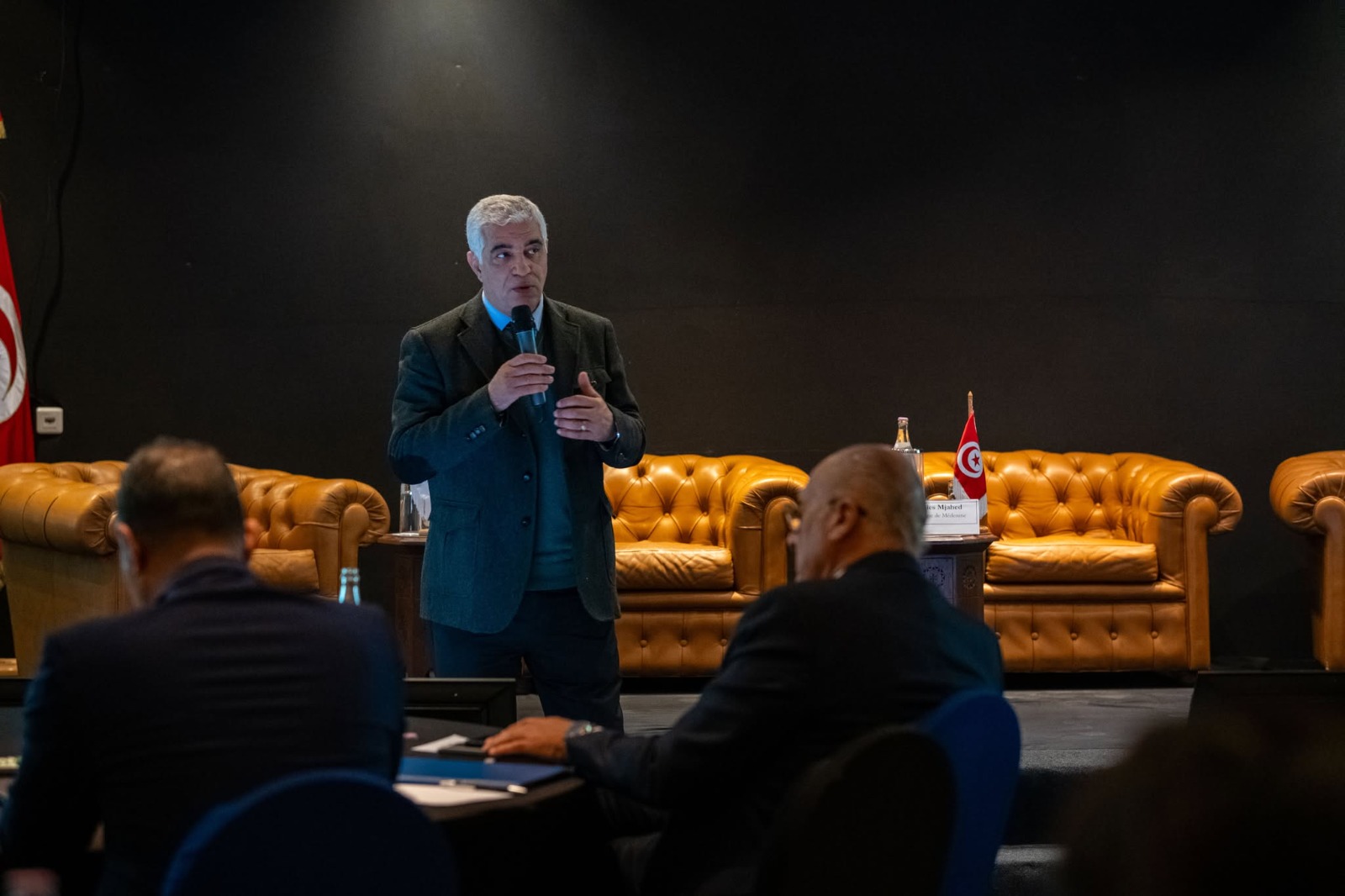
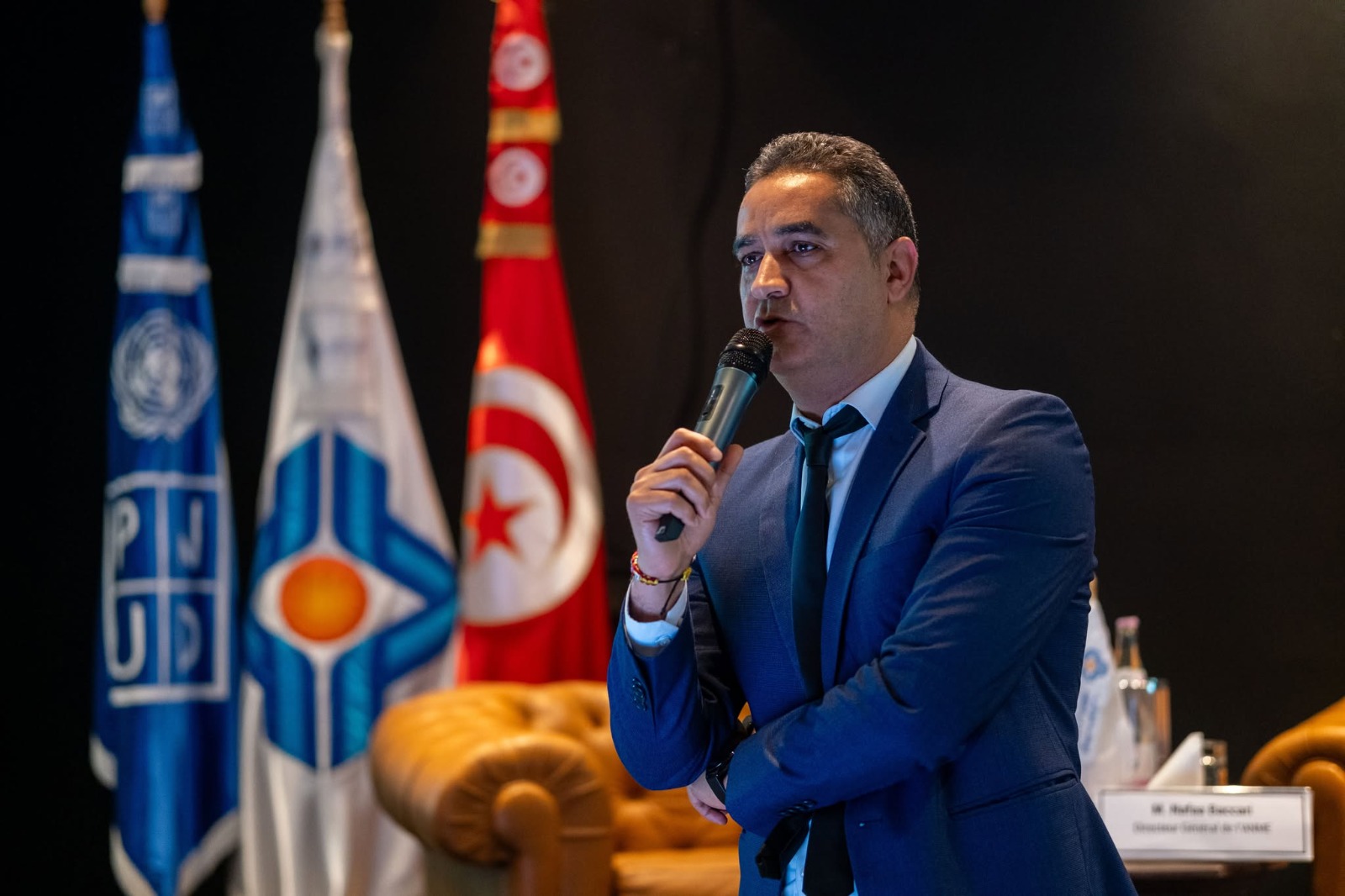
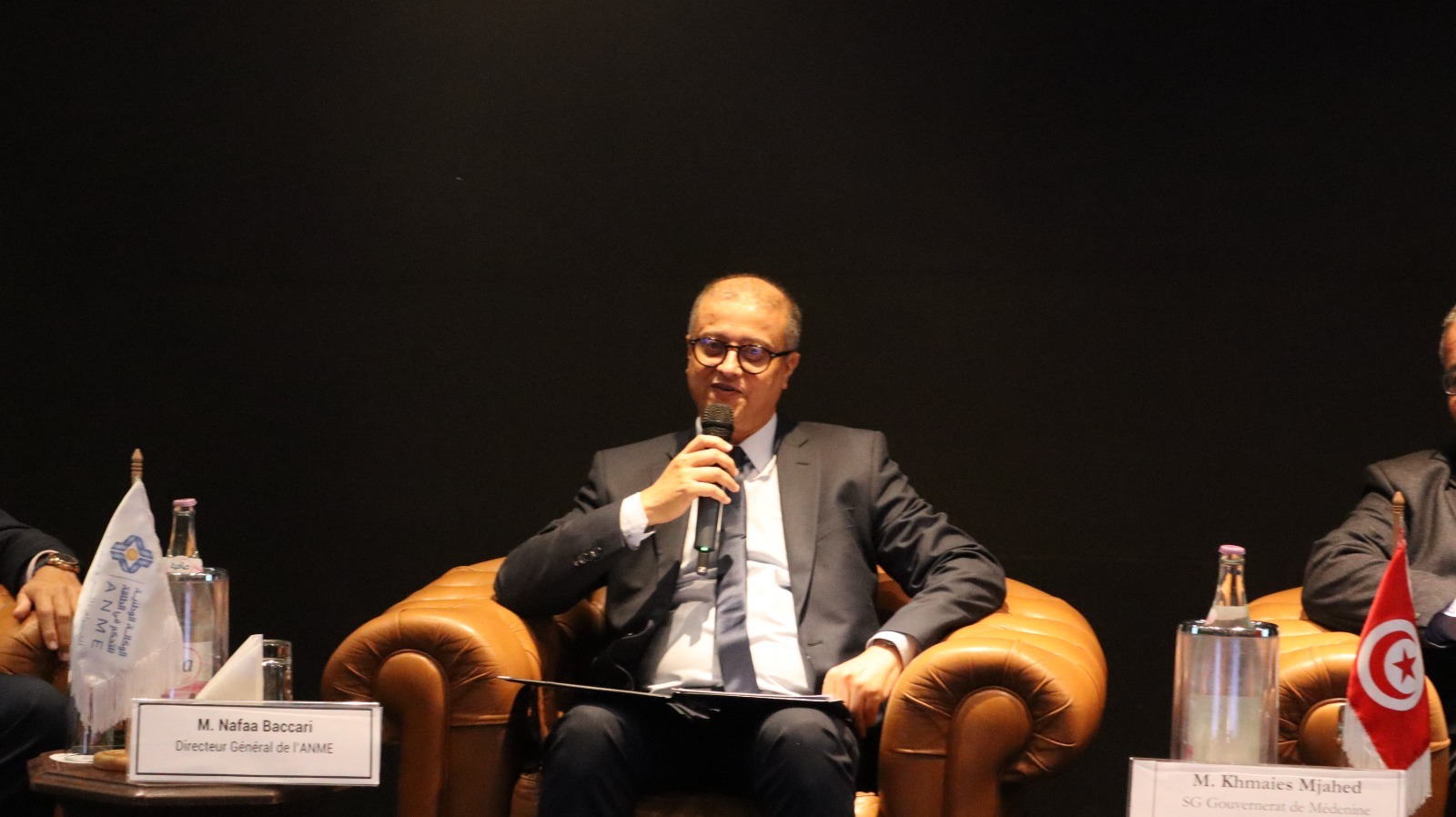
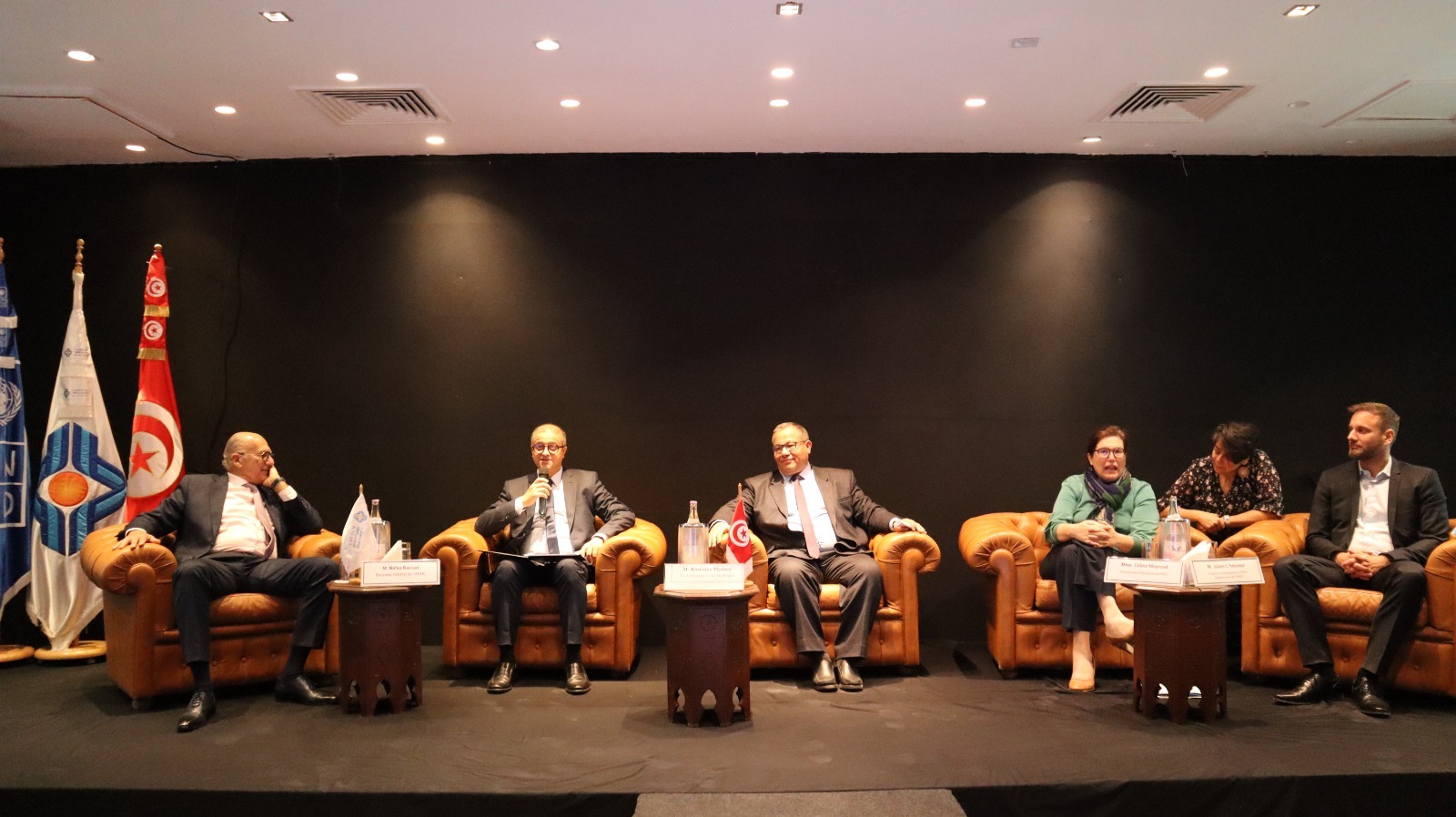
The National Agency for Energy Conservation, in collaboration with the United Nations Development Programme, organized, on Thursday, February 5, 2026, on the island of Djerba, the closing workshop of the project “Development of the Tunisian Lighting Market towards High Energy-Efficient Technologies.”, in the presence of Mr. Nafaâ Bekkari, Director General of National Agency for Energy Conservation; Mr. Khamis AlMjehed, Secretary General of the Medenine Governorate; Mr. Julien Loro, representative of the United Nations Environment Programme; Ms. Céline Meraud, the United Nations Development Programme Resident Representative; and Mr. Abdelkader Bekkouch, National Project Coordinator at National Agency for Energy Conservation, along with representatives of the concerned ministries, public institutions, regional and local authorities, municipalities, technical and financial partners, and project beneficiaries.
In a speech he delivered on the occasion, Mr. Nafaâ Bekkari highlighted the central role of energy efficiency, particularly in the lighting sector, as a key lever to support the energy transition, reduce greenhouse gas emissions, and meet Tunisia’s climate commitments.
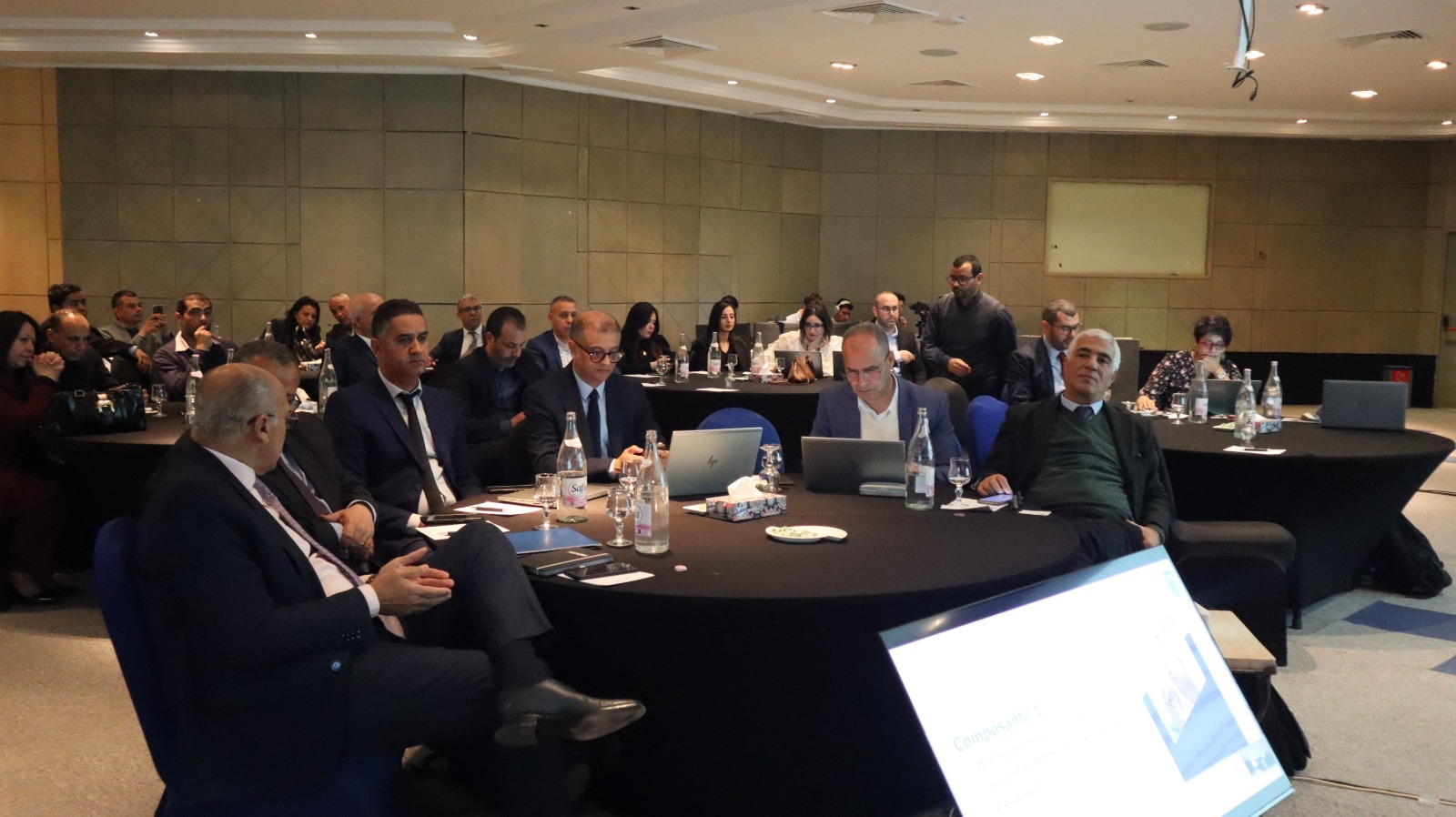
The closing workshop provided an opportunity to present the project’s main achievements and its tangible results in the Tunisian lighting market, as well as to share lessons learned and identify success factors and challenges encountered during the implementation of its various components. Discussions also addressed follow-up and support mechanisms to ensure the sustainability of the project’s outcomes, as well as opportunities for scaling up and replication in other regions of the country.
The project is structured around four main components, including the establishment of an appropriate legislative and regulatory framework, notably through the adoption of minimum energy performance standards for lighting products, along with the implementation of support mechanisms to promote efficient technologies.
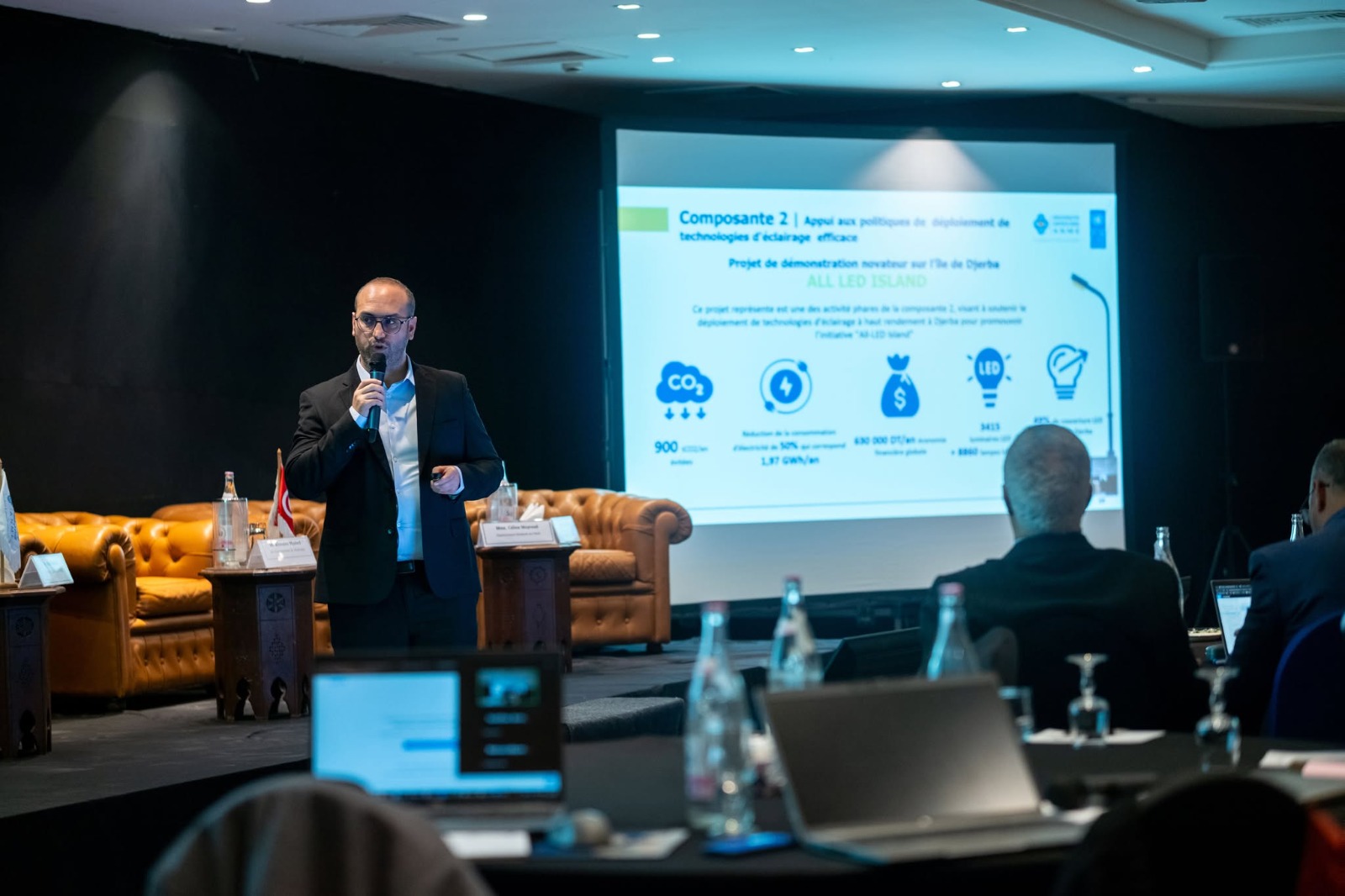
Among the project’s key achievements is the “Djerba All LED Island” pilot project, through which approximately 3400 lighting points were replaced with LED technology within the public lighting network of the municipalities of Djerba Island, generating annual energy cost savings of around 600,000 Tunisian dinars. The project also enabled the installation of approximately 8000 high-efficiency lighting points in ten hotels on the island.
The National Agency for Energy Conservation representative also presented the various projects currently being implemented in the lighting sector to accelerate the transition towards a high-energy-efficiency lighting market.
In addition, the Director of Energy Efficiency in the Industrial Sector, Mr. Mohamed Ali Safi, recalled Tunisia’s commitment under its Nationally Determined Contribution (NDC 3.0) to reduce carbon intensity by 62% by 2035 compared to 2010.
In the same context, the Director of Energy Efficiency in the Transport and Agriculture Sectors, Mr. Abdelhamid Gannouni, presented energy transition programmes in the transport sector in Djerba, notably through the preparation of an Urban Mobility Plan aimed at diagnosing mobility challenges and proposing practical and sustainable solutions. He also presented the national programme to accelerate the adoption of electric mobility, considered a key lever for reducing emissions and improving quality of life.